
Home is a sanctuary, a place of refuge and safety. Integral to this security are garage door sensors, unsung heroes of modern domestic tranquility. These simple yet potent devices may seem insignificant, but their essential role in safeguarding our homes is undeniable. Overlooking their importance could lead you to an unwelcome encounter with a locked garage door, courtesy of a malfunctioning sensor. Fortunately, a grasp of basic troubleshooting skills can empower homeowners, saving both time and money.
The Critical Function of Garage Door Sensors
Think of garage door sensors as reliable, devoted sentinels, on constant alert to protect your family and possessions. Their primary function is to prevent potential injuries, by halting a closing garage door in the presence of any obstruction. This ubiquitous safety mechanism safeguards our loved ones and belongings, making it a standard feature on most automatic garage doors. However, their role extends beyond safety, providing an additional layer of security by ensuring your garage door closes thoroughly, frustrating any attempts by potential trespassers.
Common Hurdles Encountered by Garage Door Sensors
Robust troubleshooting necessitates the ability to identify the issue plaguing your sensor. Here’s a rundown of common problems that can hamper your sensor’s performance:
- Alignment Discrepancies: Hindered by even slight deviations from perfect alignment.
- Lens Contamination: Dirt, dust, and debris obstructing the sensor’s infrared beam lead to malfunctions.
- Garage Door Sensor Yellow Light: This indicator can signal an alignment issue or dirty sensor lenses.
- Harsh Environmental Factors: Overexposure to sunlight or moisture, especially when inadequately sheltered, undermines sensor effectiveness.
- Physical Trauma: Even minor bumps from vehicles or tools can inflict damage on these sensitive devices.
Handy Tips for Troubleshooting and Repairing Garage Door Sensors
While some fixes may seem elementary, putting safety first is paramount, especially when electrical components are involved. Here’s a simple guide to confront prevalent sensor issues:
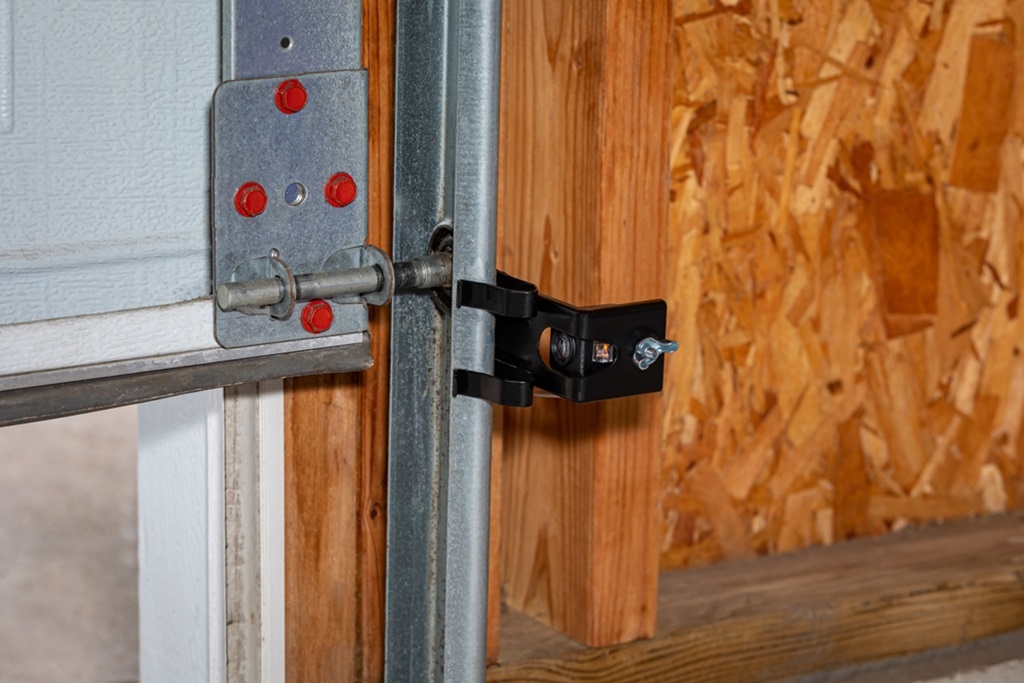
- Alignment Verification: Ensure sensors are at parity, both in terms of their height and orientation.
- Lenses Cleansing: Disconnect power before gently cleansing the lenses with a soft, dry cloth. Refrain from using liquid cleaners that may harm the sensor.
- Counteracting Environmental Factors: If feasible, reposition the sensors or install protective covers to mitigate the impact of environmental challenges.
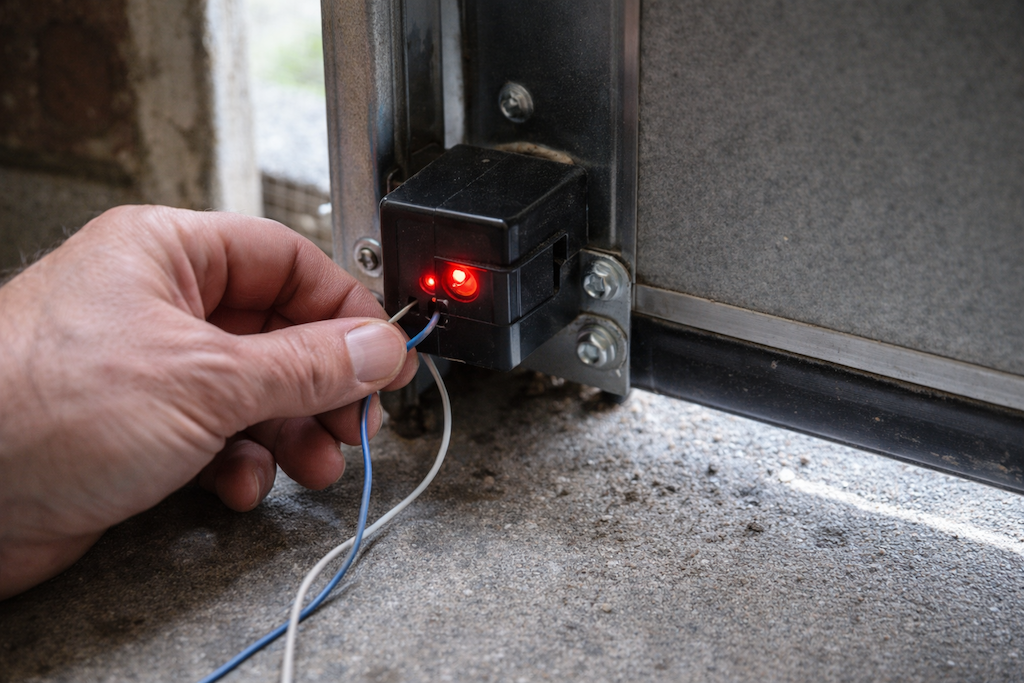
- Physical Damage Examination: Thoroughly inspect sensors and their wiring for visible damage.
Keeping sensors in top condition after learning how to repair a garage door sensor starts with ensuring all components are free from damage and properly aligned.
When to Seek Professional Assistance
While many sensor issues can be tackled through DIY repairs, certain situations warrant the intervention of a professional. Uncomfortable handling electrical components while your garage door sensors are not working? Problem persists despite troubleshooting efforts? In such cases, your best bet is to engage a certified technician equipped with the requisite skills and tools for ensuring your garage door system’s smooth operation. Many homeowners in Florida opt for Palm Beach garage door repair services for expert help.
Learning how to fix garage sensors is a critical skill for homeowners, but recognizing when ‘how to repair garage door sensors’ is beyond a DIY project is just as important. Garage door sensors are indispensable guardians of modern homes, delivering a robust blend of safety and home security. Recognizing their vital role and mastering basic troubleshooting skills will equip homeowners to address minor issues effectively. However, remember, there’s no shame in eliciting expert help when necessary, and it could be the best choice to preserve your home’s security system’s integrity.