
Garage doors: the unsung heroes of our homes, pulling double duty as entryways and battlegrounds against the elements. Yet, for all their hard work, we often forget they can be a bit…dangerous if not properly secured. Enter garage door sensors—the tiny, unsung geniuses preventing your door from becoming a household hazard. Understanding how garage door sensors work isn’t just smart—it’s your ticket to keeping your garage door a safety MVP.
Demystifying the Technology: Inside Garage Door Sensors
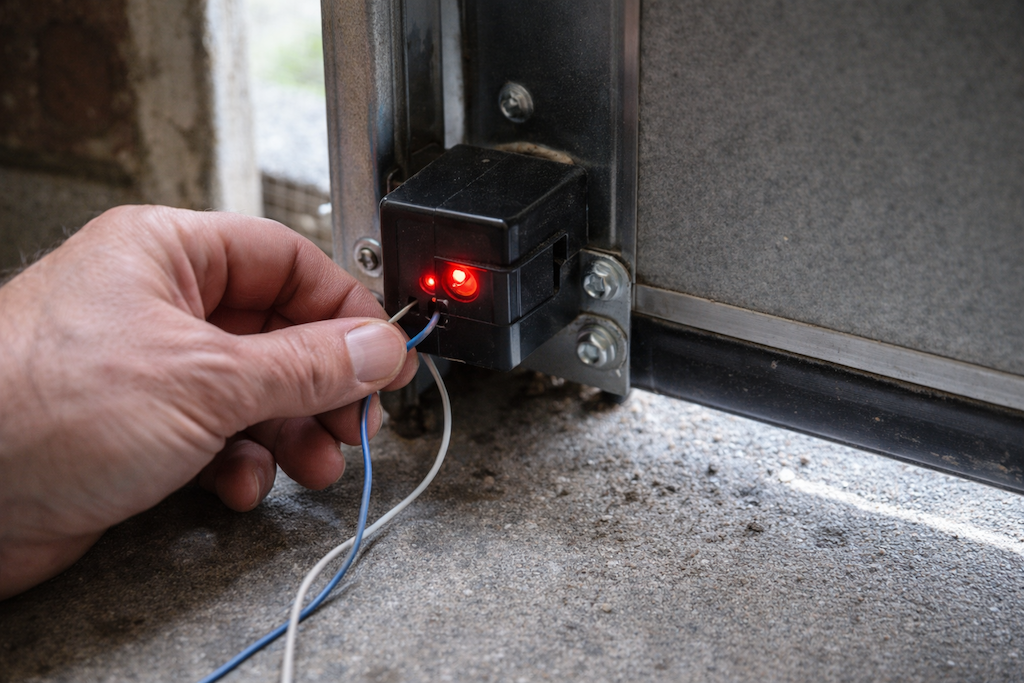
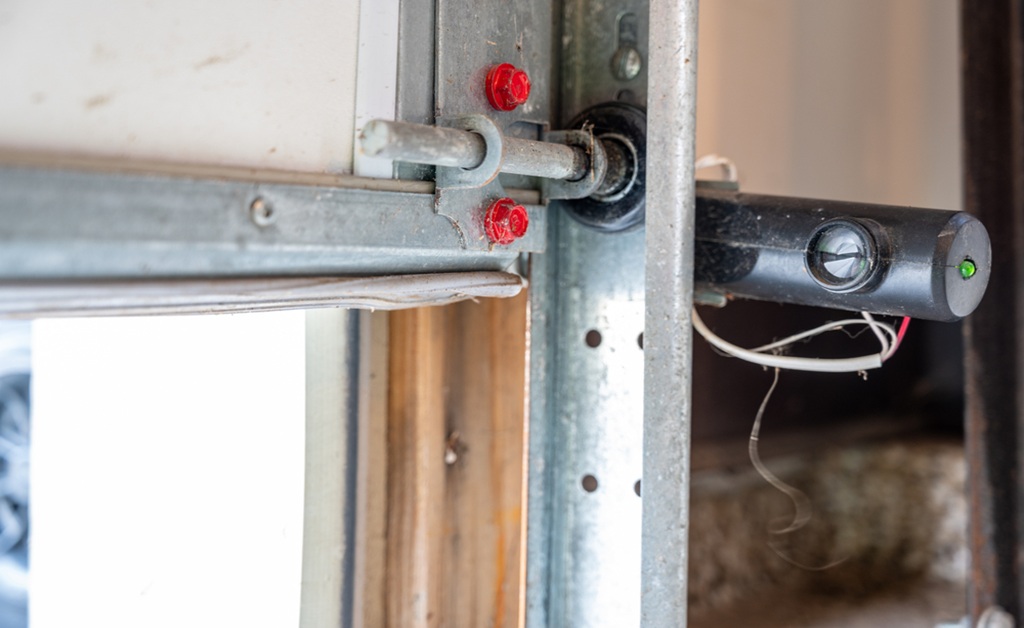
Garage door sensors, while simple in design, wield powerful technology aimed at fortifying safety. Installed at the foundation of the garage door rails, they employ infrared beams to scan and uncover any obstruction in the door’s trajectory. A transmitter releases the beam with a receiver on the other end waiting to catch it. Under normal circumstances, the door closes as designed, but should an object, or even a pet or person, encroach upon the beam’s path, it interrupts the connection, prompting the door to halt and retract instantly.
How does a garage door sensor work? This is the key: by pre-emptively seizing the door from closing onto any hurdle, infrared technology curbs accidents. Contemporary sensors, in addition, integrate a fail-safe mechanism that intervenes to suspend the door’s operation if the sensors are skewed or exhibit signs of malfunction. This provision maintains safety by precluding the door from operating under hazardous conditions.
The Nuts and Bolts of Sensor Maintenance
Although sensors are generally dependable, routine maintenance remains a critical factor in sustaining their performance. Lenses can easily become clouded with dust, dirt, and spiderwebs, hampering the infrared beam. A swift clean with a gentle cloth often rectifies the issue.
Aside from cleaning, it’s crucial to secure the sensors’ alignment. Vibrations, accidental nudges, or other disruptive elements might knock the sensors askew, leading to a suboptimal connection. This may prompt the garage door to defy closing commands or behave inconsistently. Rectifying this issue involves manually aligning the sensors until the indicator lights confirm a solid connection.
If you’re dealing with older systems or need professional help, professionals in garage door installation in Jupiter, FL can help ensure everything is set up safely and correctly.
Regular sensor functionality checks are also advisable. This can be done by placing an object, such as a small box, in the door’s path and attempting to close the door. A properly functioning sensor system will cause the door to stop and reverse as expected. If not, a professional may be required to carry out repairs.
The Imperative of Fully-Operational Sensors
Garage door sensors aren’t just a fancy add-on – they’re the unsung heroes of home safety. A misaligned or faulty sensor is like a ticking time bomb, risking damage to your car, property, or your toes (ouch). And for parents, these little lifesavers mean peace of mind knowing kids and pets can play near the garage without turning it into a nasty scene.
Routine servicing and the occasional professional scrutiny can prolong the longevity of your sensors and bolster their dependability. An optimally performing sensor system not only minimizes accident risks, but also bestows peace of mind.
How do garage door sensors work? How do they help prevent accidents? This guide lays it all out. With a modicum of effort invested in maintaining and comprehending your garage door sensors, you can freely relish the security and convenience they continually contribute to your dwelling.