
Garage doors are the unsung heroes of our homes, working diligently and dutifully every day. This critical component not only offers convenience, but is an imperative element in securing the safety of our homes. The lifeblood of these hefty mechanical marvels? Springs. Yet, do all garage doors have springs? In short, yes. Grasping their utility can aid immensely in maintaining and troubleshooting this crucial component of your abode.
The Indispensable Task of Garage Door Springs
A typical garage door bears a substantial weight, ranging from a hefty 150 to a whopping 300 pounds, a matter solely contingent on material and design specifics. Without an efficient system to neutralize this colossal weight, hoisting or lowering the door would necessitate vast exertion. Enter springs.
What does a garage door spring do? These handy devices furnish the requisite tension to defy gravity, making doors feel insubstantial and easy to handle, irrespective of whether they are manually manipulated or operated by an automated opener.
Springs also don an essential mantle in enforcing safety. They ensure that garage doors don’t plummet down uncontrollably, thereby diminishing the peril of accidents or injuries. Hence, their apt functioning and painstaking maintenance are critical to the reliability and longevity of your garage door.
Diversity in Garage Door Springs
Primarily, garage doors employ two kinds of springs: torsion springs and extension springs. Both serve a shared purpose but differ in their modus operandi, the understanding of which can assist you in identifying and caring for your garage door’s specific mechanism.
Torsion Springs
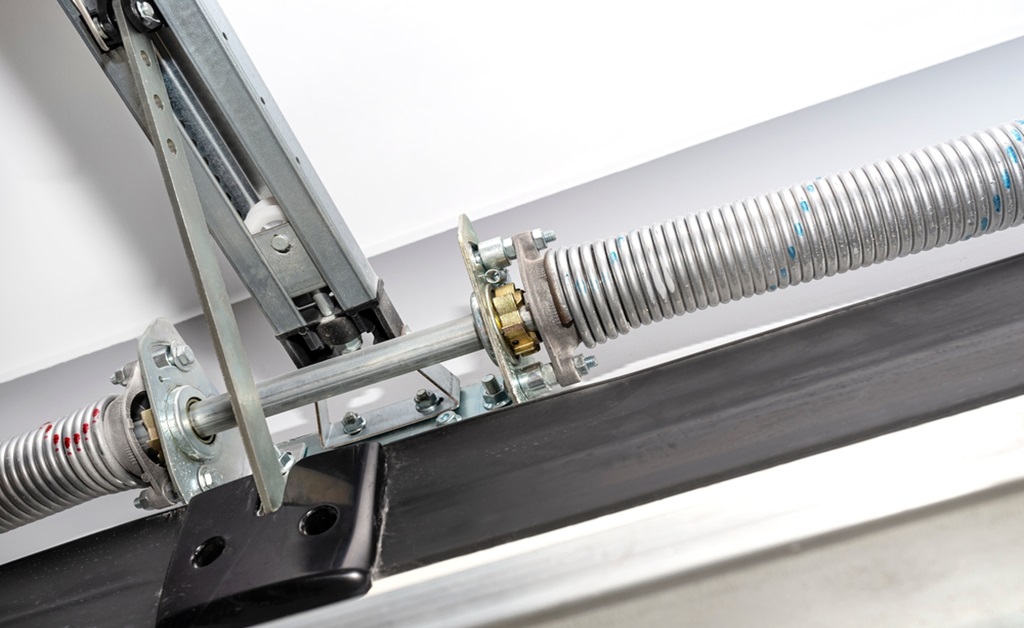
Torsion springs, affixed to a metal rod atop the garage door, harness torque to stockpile mechanical energy. As the garage door is flung open, the springs unwind and release the stored tension to facilitate the lifting of the door. This controlled process endows torsion springs with durability and reliability, making them a preferable option for numerous garage doors. They are oftentimes deemed safer and more efficient than extension springs, courtesy of their steady and smoother functioning.
Extension Springs
Extension springs, situated on the lateral sides of the garage door, aligned with the horizontal tracks, stretch and contract to counterbalance the door movement. Although effective, they have a shorter lifespan compared to torsion springs and are generally deemed less safe, prone to snapping in the absence of proper maintenance.
Each variety of spring is extensively used, and the design or age of your garage door generally determines which type it utilizes. How do I know what garage door spring to buy? Understanding your door’s specifications and consulting a professional can ensure you choose the correct one.
Durability and Upkeep of Garage Door Springs
Garage door springs are not constructed to endure perpetuity. Understanding their lifespan can deter inconvenient and potentially dangerous malfunctioning. The average spring is designed to last approximately 10,000 cycles. Each cycle consists of a complete opening and closing of the door. For a household that utilizes the garage door frequently, this lifespan typically equates to a span of 7 to 10 years. High-cycle springs, which can last up to 20,000 cycles with adequate care, are also obtainable.
Over the phases of time, wear and tear are predictable. Signs of ailing springs can include uneven door movement, extended opening or closing duration, or abnormal creaking or snapping noises. Noticing any of these symptoms? It’s crucial to engage a professional before the problem escalates.
A malfunctioning spring can render your garage door challenging—or potentially hazardous—to operate. Replacing garage door springs entails a significant risk due to the high-tension components. Hence, it’s always prudent to entrust this task to a seasoned technician. For those in need, garage door repair in Davie, Florida, can provide expert assistance to keep your door running smoothly.
Safeguarding Your Garage Door’s Key Components
So, yes, all garage doors do indeed have springs. These often overlooked components play a significant role in your home’s convenience and safety, quite literally, doing the heavy lifting. That said, while rare, some may wonder about garage doors without springs. Such setups are uncommon and typically use alternative mechanisms to ensure functionality.
Regardless of which type of spring your door employs—torsion or extension—regular care and maintenance can spare you exorbitant repairs and ensure safe operation.
By acknowledging the importance of springs, discerning the differences between their types, and being cognizant of their lifespan and potential complications, you’re well-armed to look after this primary aspect of your home. When in doubt, a professional’s consultation can make a world of difference in preserving your garage door’s smooth operation for years to come.