
A faulty garage door can be a significant hassle, interrupting your routine and sacrificing the security of your home. Confronted with a creaky, sluggish, or altogether jammed door, many homeowners question whether to attempt the repair on their own. Though a DIY solution may save money at times, it’s essential to recognize what’s safe to do and when to bring in an expert.
This guide will assist you in comprehending typical garage door issues and determining the appropriate course of action. If repairs feel daunting, remember that top garage door repair services in the South Florida area are ready to help. Call the approachable team at Top Service Garage Door Repair for help today!
Common Garage Door Issues
Garage doors are intricate systems with a lot of moving parts, and a number of things can go wrong over time. You may hear your door grinding or squeaking, which more often than not is a sign that it needs lubrication or has worn-out rollers.
Another common issue is a door that refuses to close or reverses without warning. This is usually the result of misaligned safety sensors. More severe problems are a door that is unexpectedly heavy to lift by hand or one that has fallen off the tracks completely. Diagnosing the problem is the initial step in assessing if it is an easy fix or a task for a professional. Having the right garage door repair tools on hand can make minor issues much easier to tackle if you’re comfortable with basic repairs.
Easy Solutions You Can Perform Yourself
If you’re the DIY type who loves to tackle home fixes, some garage door issues are totally in your wheelhouse – no professional required. Got a noisy door? A little TLC in the form of lubrication can work wonders. Just grab a silicone-based garage door lubricant, hit those hinges, rollers, and springs, and voilà – no more squeaks, just smooth moves. Who needs a repair tech when you’ve got this?
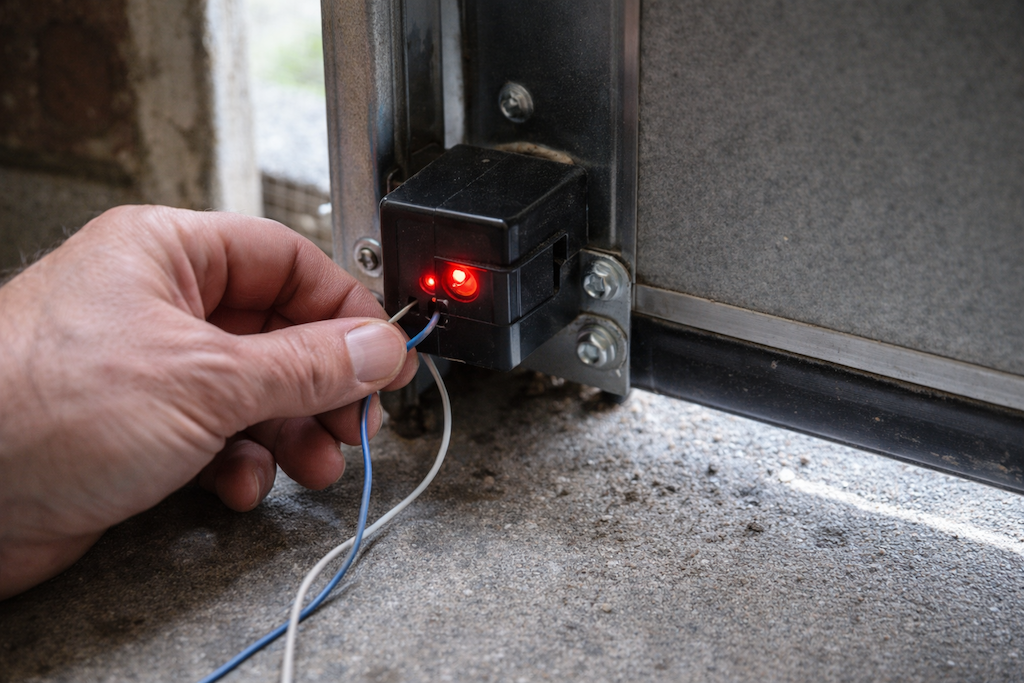
Another DIY-friendly task is adjusting the safety sensors. These little units, which are found close to the floor on the door tracks, may be bumped or knocked out of position. If the indicator lights on the sensors are flashing, nudge them gently until the lights are steady, showing they are aligned.
Lastly, tightening loose nuts and bolts on the hardware of the door is an easy maintenance procedure that will help ward off more serious issues later on. To make this even easier, investing in the correct tools for garage door repair is always a good idea – they’re a DIYer’s best friend.
When to Call a Professional
Some repairs are very risky and must always be left to professionals. The most hazardous parts of a garage door are springs. Torsion and extension springs are under tremendous tension and can inflict serious injury or death if they break or are improperly handled. If you think a broken spring is the reason for your door’s failure, never try to adjust or replace it yourself.
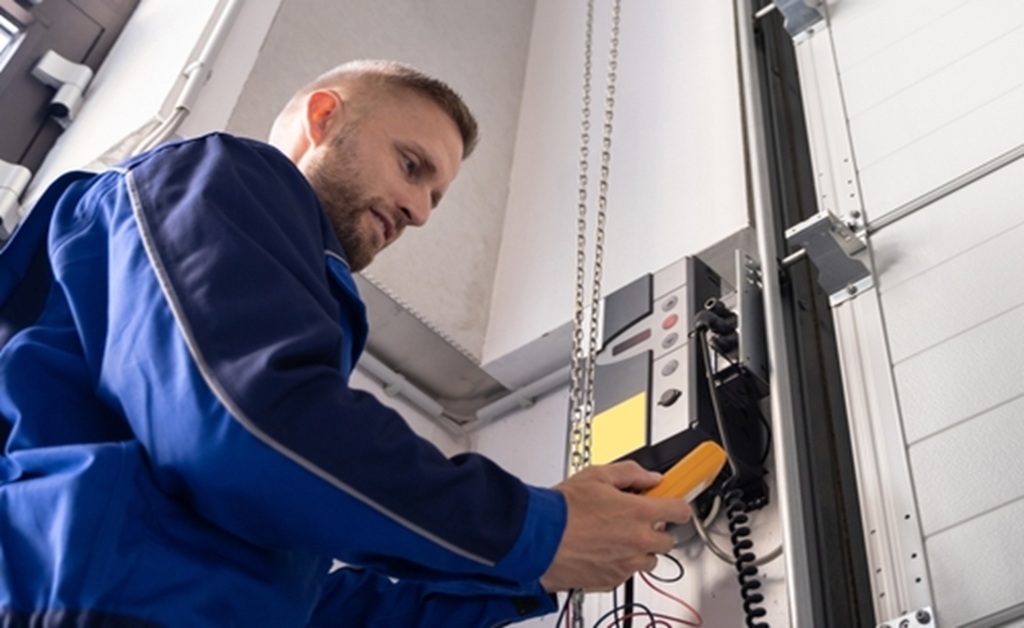
Likewise, the replacement of broken or frayed cables is a job for a professional. As with the springs, these cables are wound tightly and can cause injury. Any work with the electrical aspects of the door, including the opener motor, is best left to someone experienced to prevent the possibility of electrical shock. And, if your door is off its tracks, it is extremely heavy and unstable, and will take special equipment and expertise to put back in place safely.
Know Your Limits for a Safe Repair
Deciding between rolling up your sleeves or calling in the cavalry? It all comes down to complexity and safety. Quick fixes like lubrication or aligning sensors are perfect for the DIY enthusiast. But if springs, cables, or anything electrical is involved, it’s time to put down the wrench and pick up the phone for Top Service Garage Door Repair – leave the risky stuff to the pros. Your safety is the first consideration.
If you are in any doubt as to whether you can perform a repair safely and correctly, it is always best to call a qualified garage door technician!